Blatz Beer 12 Oz Tab Top Can
G. Heileman • La Crosse, WI
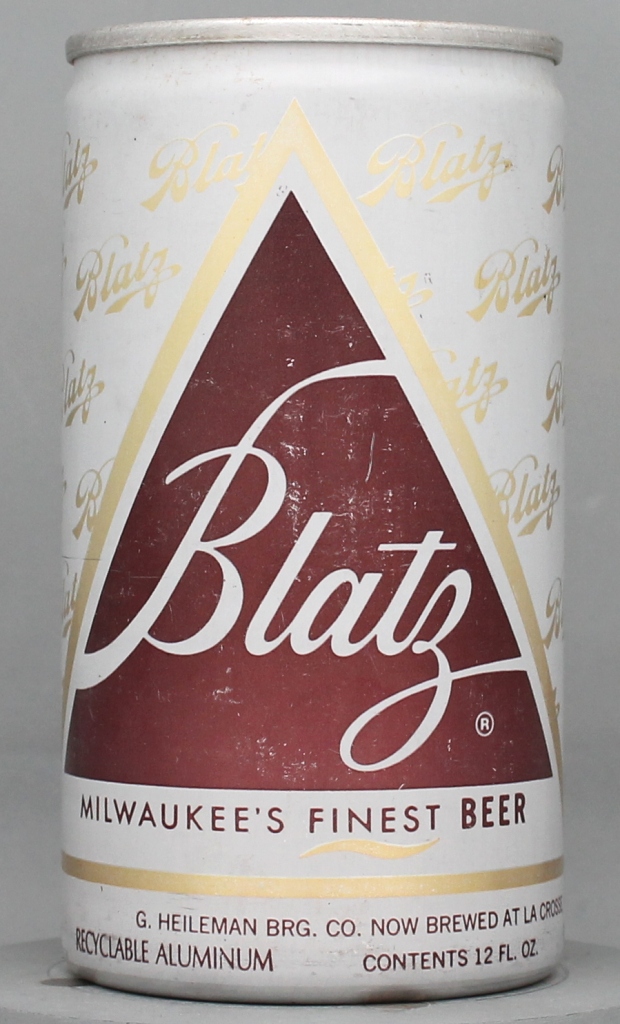
Blatz Beer Heileman Tab Top Can
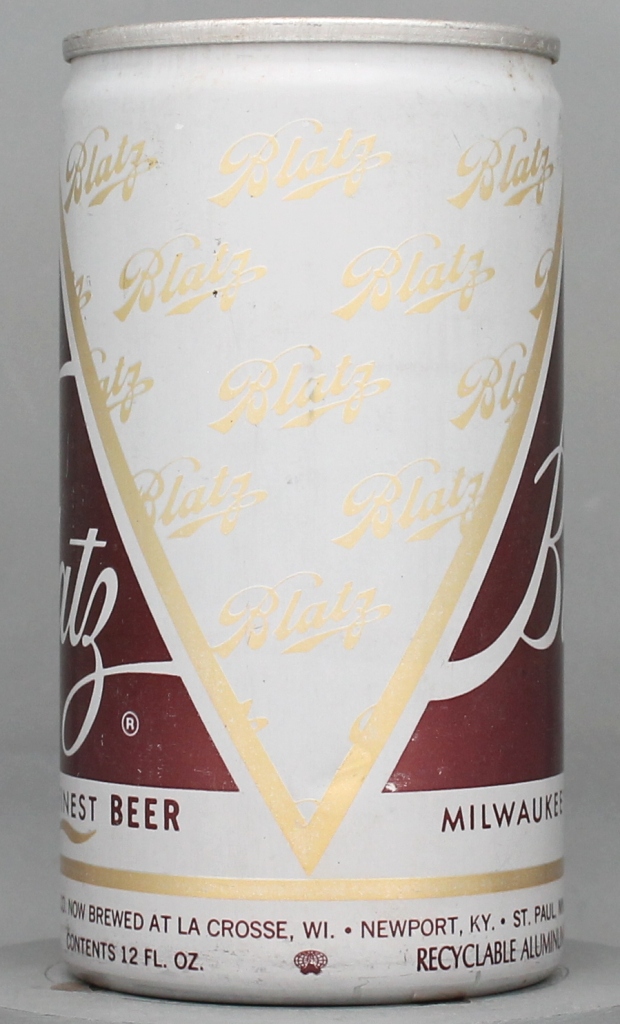
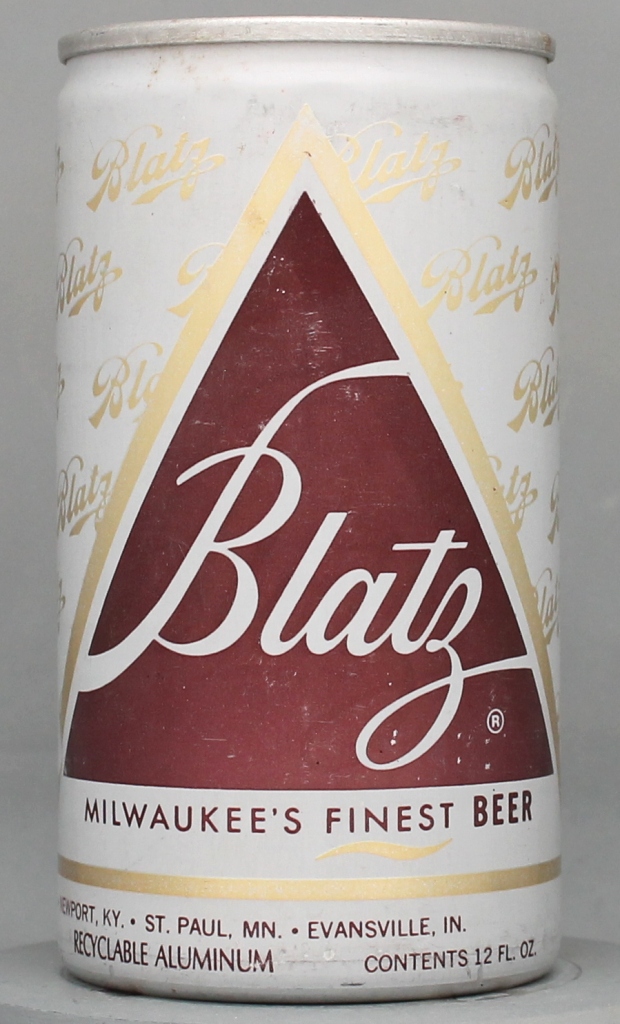
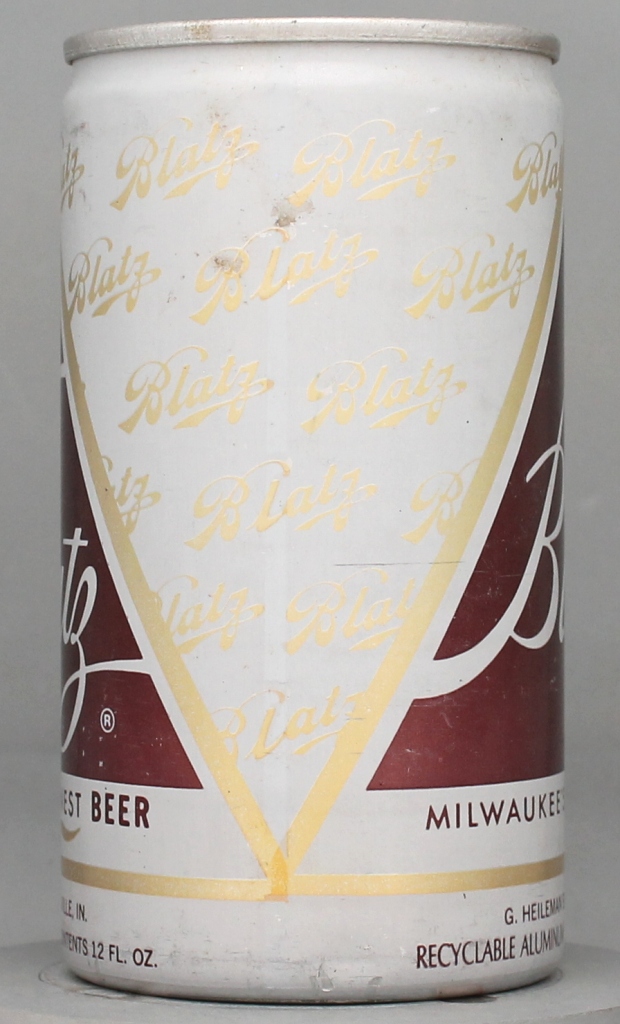
This 12-ounce aluminum tab top can represents a transitional period for the Blatz label under the management of the G. Heileman Brewing Company. Fabricated from lightweight recyclable aluminum, the design centers on the classic Blatz triangle rendered in deep maroon with a gold border, set over a backdrop of repeating gold script logos. Positioned directly beneath the triangular motif is the slogan "MILWAUKEE'S FINEST BEER". The bottom perimeter includes mandatory manufacturing text noting that the beer was brewed by G. Heileman, listing four production cities with punctuation following the state abbreviations to reflect the expanding multi-facility network of its parent company.
Valentin Blatz established the Blatz brand in Milwaukee, Wisconsin, in 1851 after taking over Johann Braun's City Brewery. A pioneer in regional brewing, Blatz became one of the first breweries in the city to run an industrial bottling department, enabling wider shipping. Marketed for generations through memorable advertising tunes and regional heritage campaigns, Blatz stood among Milwaukee's powerhouse labels. Following antitrust litigation that required Pabst Brewing Company to divest the brand, G. Heileman acquired Blatz in 1969 to build up its national portfolio. The label changed corporate hands through subsequent mergers before eventually returning to contract production under the Pabst banner.
Founded in 1858 in La Crosse, Wisconsin, by Gottlieb Heileman and John Gund, the G. Heileman Brewing Company developed into one of the Midwest's most resilient breweries. After Gottlieb's death, his widow Johanna Heileman took leadership, becoming one of the earliest female brewing company chief executives in the nation. The business survived Prohibition by selling non-alcoholic beverages, near-beer, and baked goods, swiftly expanding after Repeal. Under executives Roy Kumm and Russell Cleary in the latter half of the twentieth century, Heileman orchestrated a massive acquisition strategy, buying numerous regional heritage labels to become one of the largest brewing entities in the country before being absorbed by Stroh in 1996.
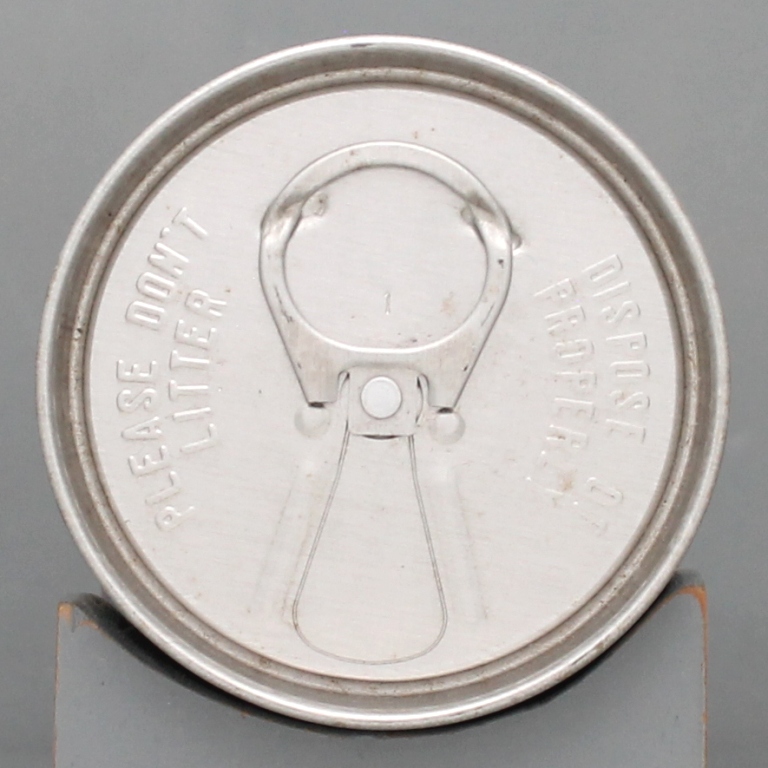
For breweriana collectors, this can provides a physical record of the industry's shift toward aluminum pull-tab packaging and post-1960s brewing consolidation. It holds particular appeal for collectors who document corporate expansion patterns by tracking minor text updates and changing plant locations on mandatory brewery stamps.
* Descriptions are AI-assisted and may include edits from our team. Verify key details.
Can Details
Similar Cans
Price History
Not enough sales data to display a chart.
Sold Listings
No recent sales data available for this can.