Budweiser Lager Beer 12 Oz Tab Top Can
Anheuser-Busch • Fairfield, CA
Budweiser Fairfield 12 Oz Can
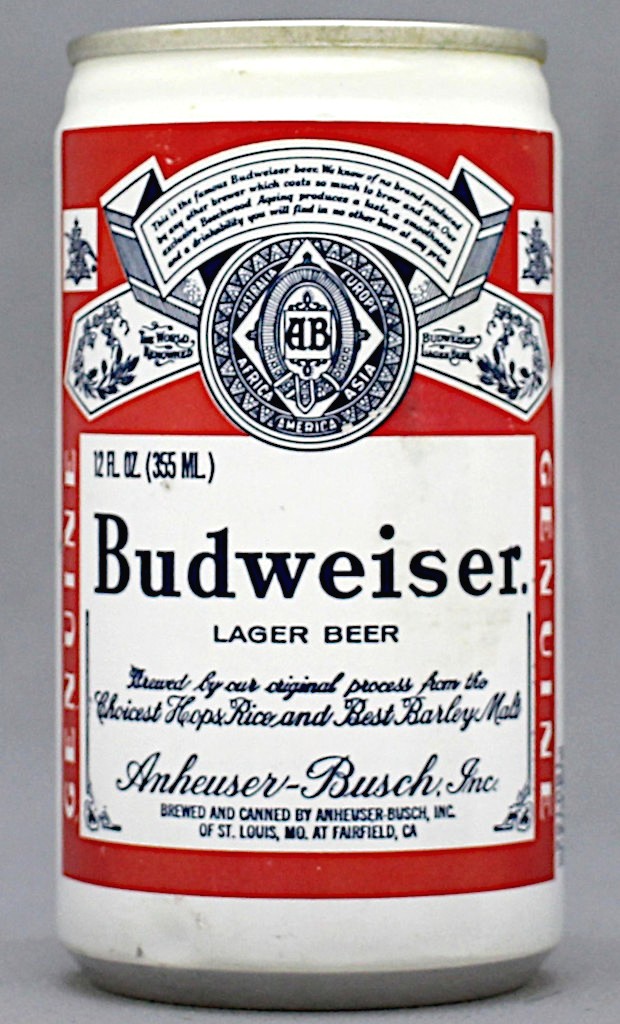
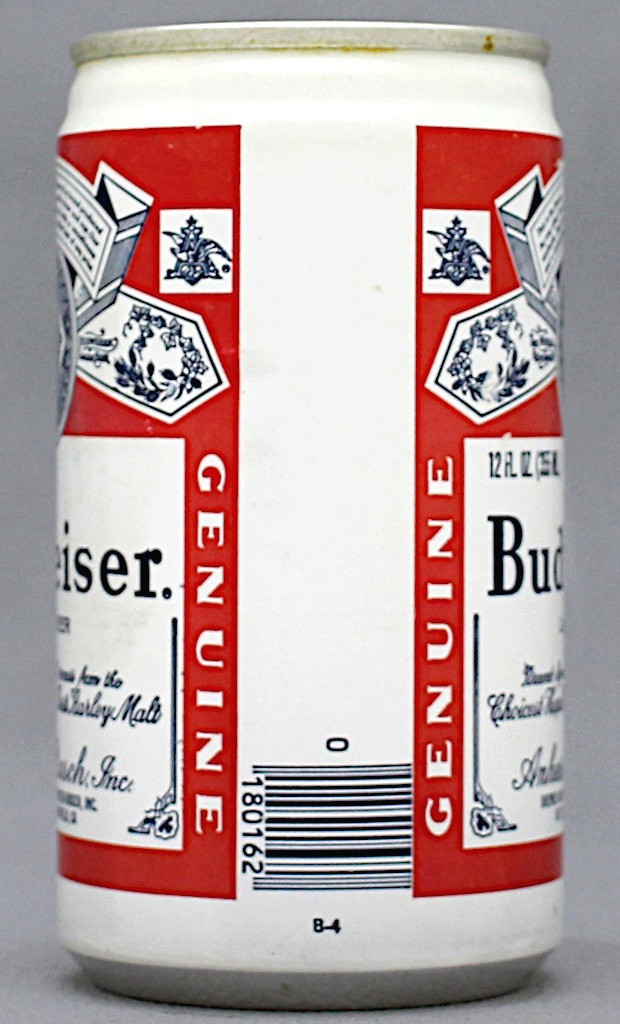
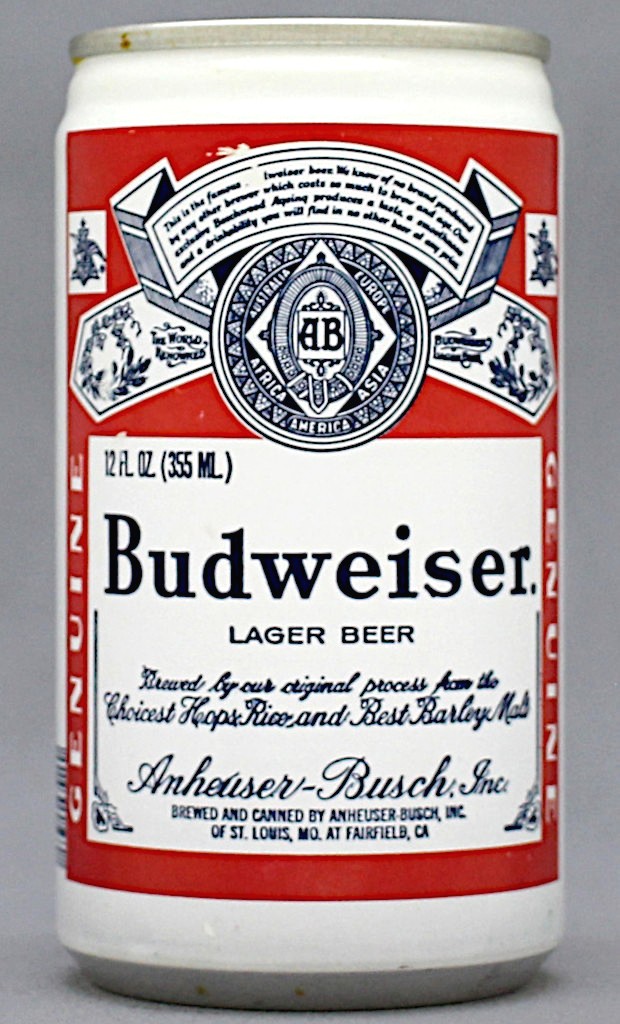
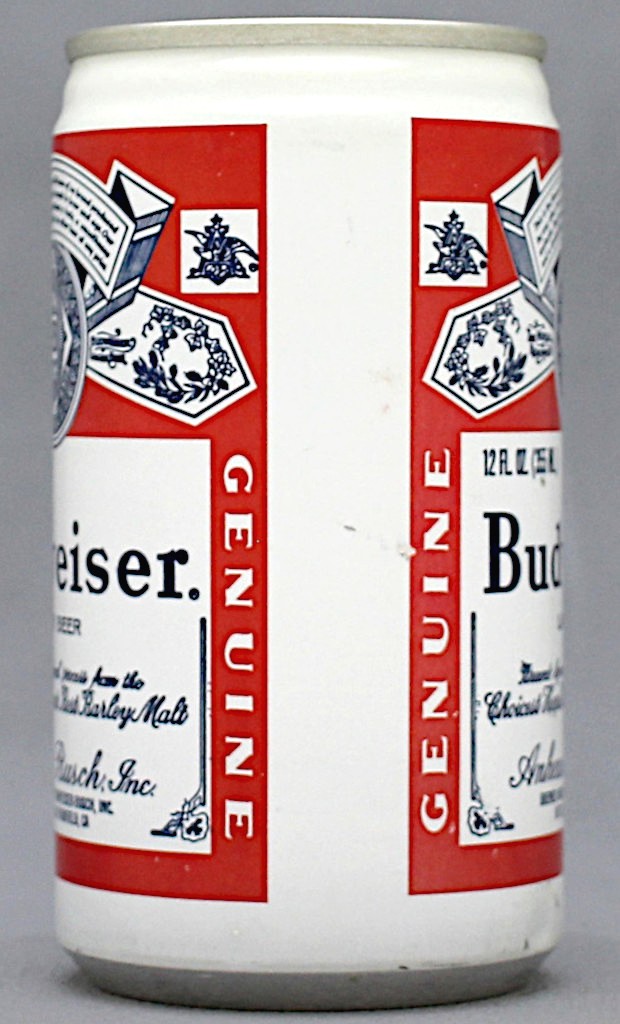
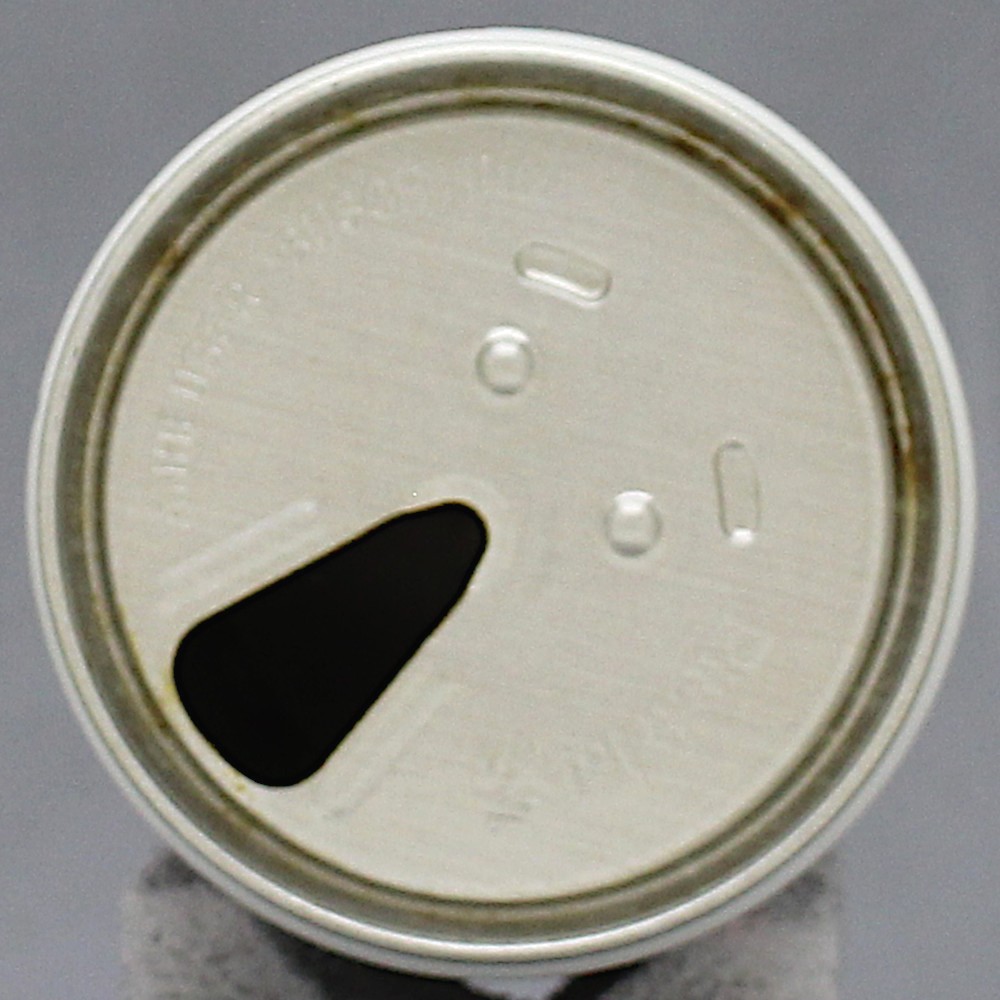
This 12-ounce aluminum tab top container showcases the classic Budweiser label with production markers from the late 1970s and 1980s. Manufactured with an aluminum body featuring a rounded bottom, the face of the can incorporates both imperial and metric volume designations stating "12 FL. OZ. (355 ML.)" alongside a Universal Product Code (UPC) barcode. The mandatory manufacturing text along the bottom perimeter features a two-city credit line reading "BREWED AND CANNED BY ANHEUSER-BUSCH, INC. OF ST. LOUIS, MO. AT FAIRFIELD, CA", identifying it as a product of the company's Northern California operations.
Budweiser was first introduced in 1876 by Adolphus Busch as an American lager brewed with a grain bill combining barley malt and rice, treated to proprietary beechwood aging for a clean and crisp finish. Promoted as the "King of Beers," the brand revolutionized beer marketing in the United States. Through ambitious nationwide distribution and high-profile advertising campaigns—often featuring the iconic Budweiser Clydesdales—Budweiser became America's flagship mass-market lager for generations.
The history of Anheuser-Busch traces back to 1852 in St. Louis, Missouri, when Eberhard Anheuser acquired a struggling local brewery and later partnered with his son-in-law, Adolphus Busch. The brewery grew rapidly by pioneering refrigerated rail cars and pasteurization, establishing the first true coast-to-coast beer distribution network. The company survived Prohibition by pivoting to yeast production, soft drinks, and ice-cream cabinets before resuming brewing immediately upon Repeal in 1933. During the postwar era, Anheuser-Busch expanded dramatically by building advanced regional breweries, including opening the Fairfield, California facility in 1976 to serve the growing Pacific market.
For beer can collectors, mandatory text variations provide a fascinating lens into the expansion of major brewing conglomerates. Packaging that pairs the Fairfield plant designation with transitional manufacturing traits—such as the integration of metric units, barcodes, and modern drawn aluminum shapes—represents a key era in twentieth-century commercial canning history.
* Descriptions are AI-assisted and may include edits from our team. Verify key details.
Can Details
Similar Cans
Price History
Not enough sales data to display a chart.
Sold Listings
No recent sales data available for this can.