Cerveza Beer 12 Oz Tab Top Can
Falstaff • Ft. Wayne, IN
Falstaff Generic Cerveza Can
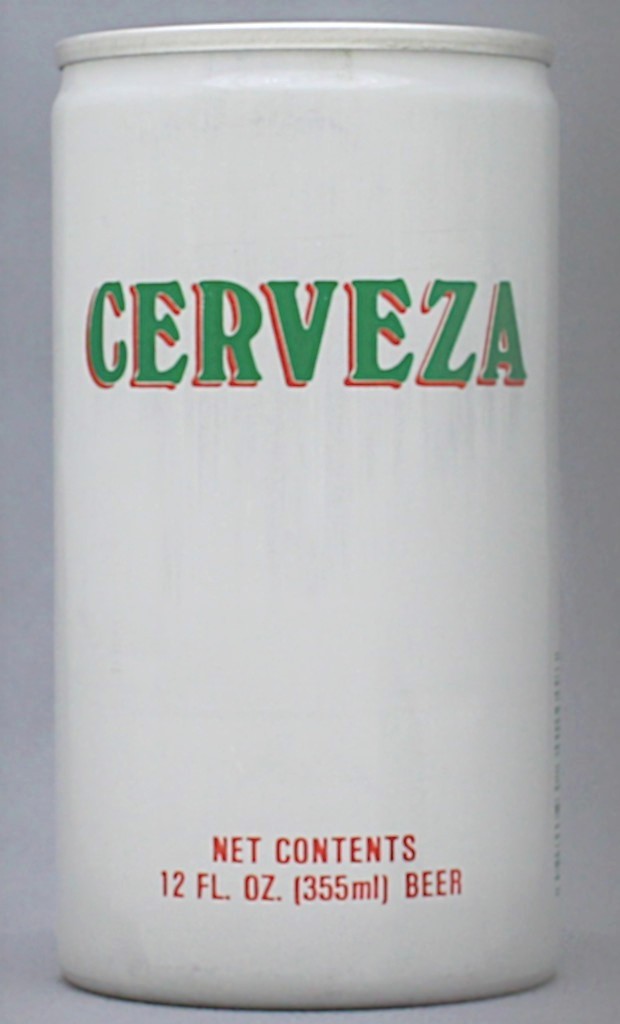
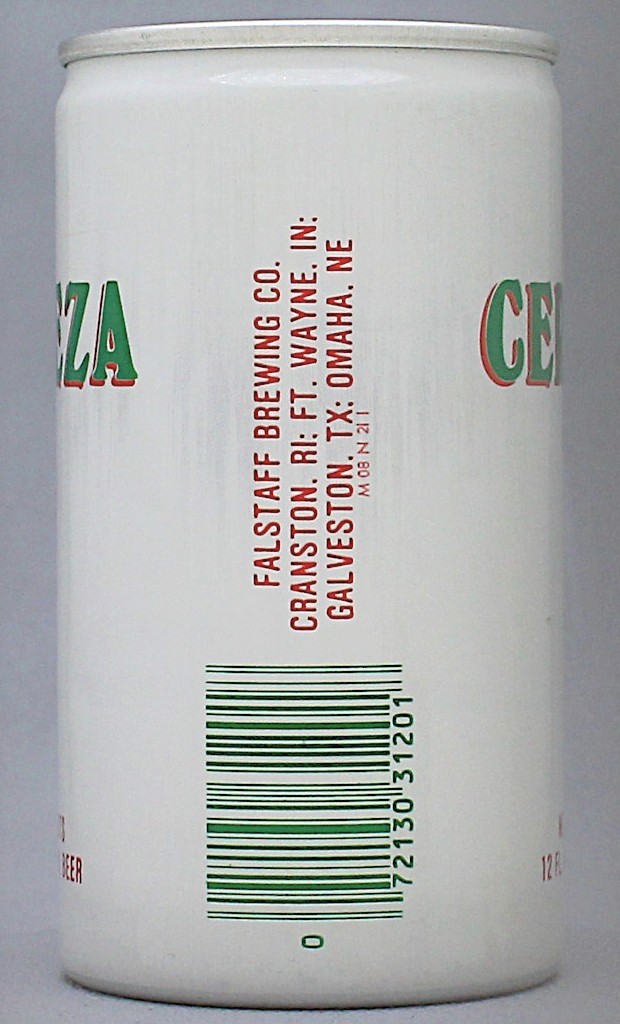
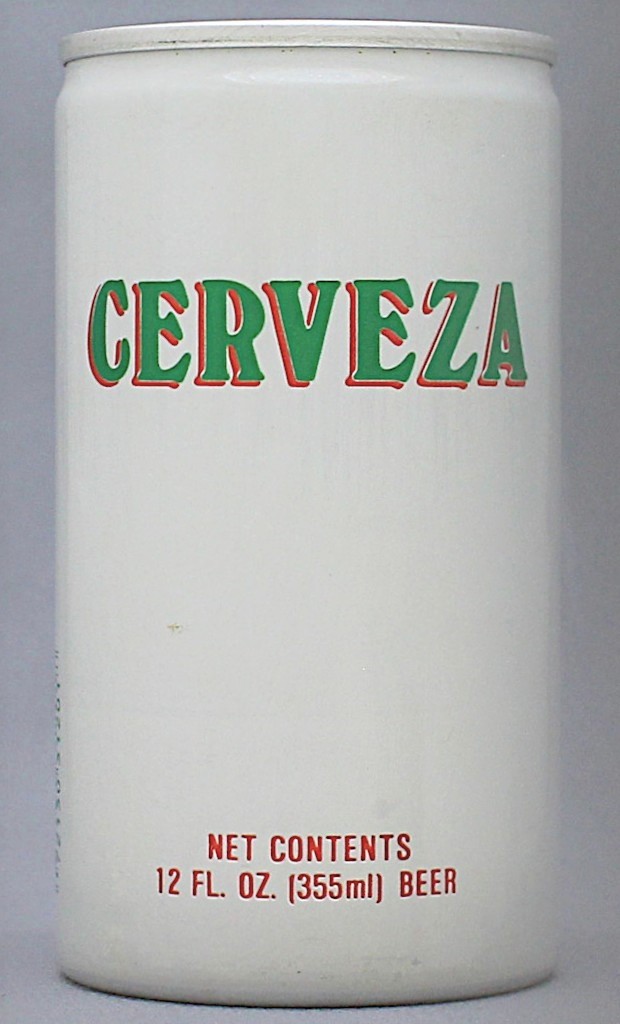
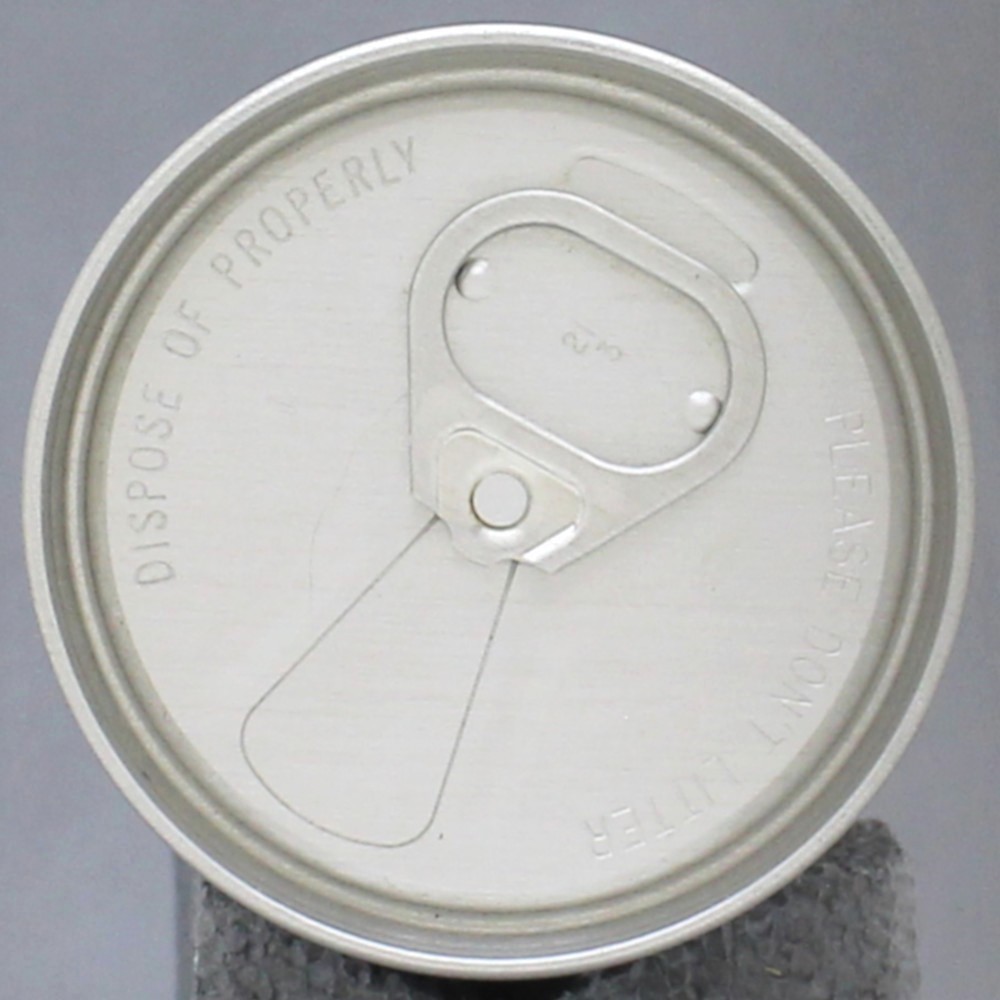
Produced during the generic packaging boom of the late 1970s and early 1980s, this 12-ounce aluminum tab top container features a straight bottom profile characteristic of the era. Reflecting packaging modernization standards of the period, the design incorporates a Universal Product Code (UPC) and includes dual imperial and metric measurements, stating "NET CONTENTS 12 FL. OZ. (355ml) BEER" across the lower front. The mandatory brewery text on the side lists four packaging cities, identifying Fort Wayne, Indiana, as one of its primary production facilities.
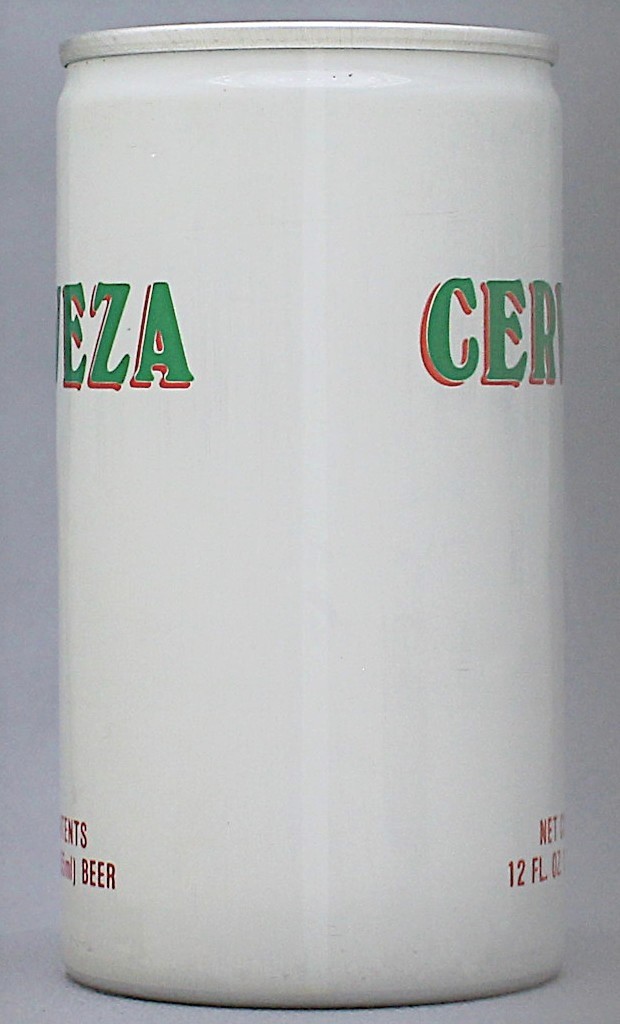
The minimalist presentation directly reflects the "plain-label" supermarket trend that arose in response to the high inflation of the late 1970s. To cut marketing and packaging costs, regional retailers and grocery chains stocked stark white containers devoid of traditional brand logos, mascots, or promotional slogans. While most American generic lines simply displayed "BEER" in plain black font, this variation used the Spanish equivalent "CERVEZA"—printed in green serif letters with a red drop shadow—to serve Hispanic consumer markets with a low-cost alternative. The plain-label trend subsided during the 1980s as economic conditions stabilized and consumer preference shifted back toward established brand identities.
Falstaff Brewing Corporation originated in St. Louis, Missouri, tracing its brewing lineage to the Griesedieck family before the turn of the twentieth century. After surviving Prohibition through the production of near-beer and other malt extracts, Falstaff expanded aggressively throughout the mid-twentieth century, eventually growing into one of the three largest brewing empires in the United States. In 1954, the company acquired the former Berghoff brewery in Fort Wayne, establishing a vital manufacturing hub in the Midwest. Facing intense market pressure and consolidation from national competitors in the 1970s, Falstaff was acquired in 1975 by industrialist Paul Kalmanovitz. The new ownership eliminated conventional national advertising budgets and shifted brewing capacity toward generic and contract labels, keeping the Fort Wayne plant in operation until its eventual closure in the 1980s.
For breweriana collectors, plain-label cans represent a compelling window into late-twentieth-century economic and retail history. By stripping away the customary prestige and elaborate artwork of mainstream beer advertising, these minimalist cans stand as stark reminders of an unusual chapter in American brewing.
* Descriptions are AI-assisted and may include edits from our team. Verify key details.
Can Details
Similar Cans
Price History
Not enough sales data to display a chart.
Sold Listings
No recent sales data available for this can.