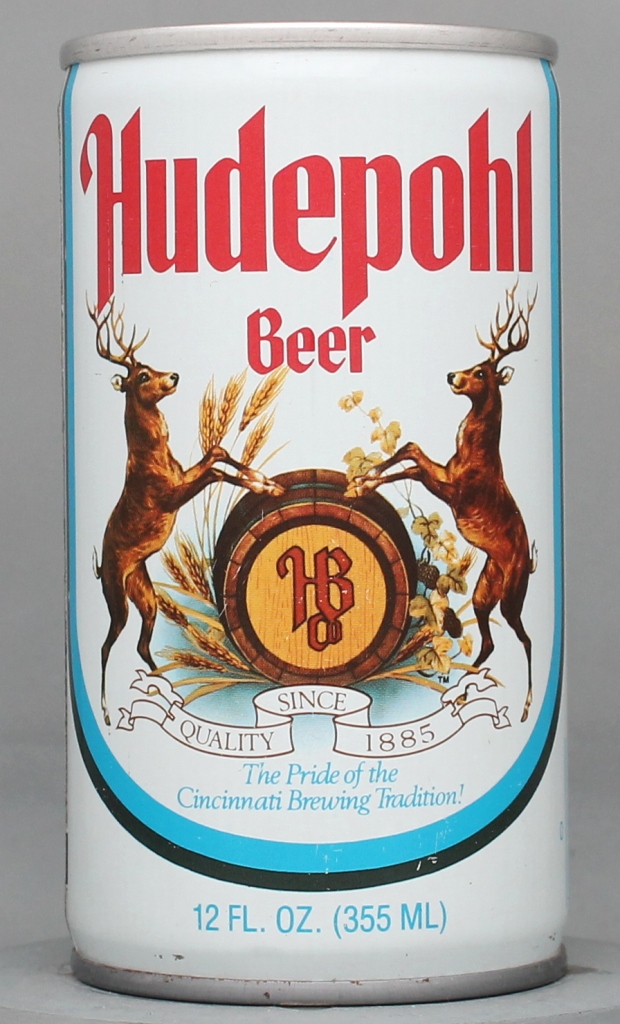
Hudepohl Beer 12 Oz Tab Top Can
Hudepohl • Cincinnati, OH
Cincinnati's Flagship Hudepohl Can
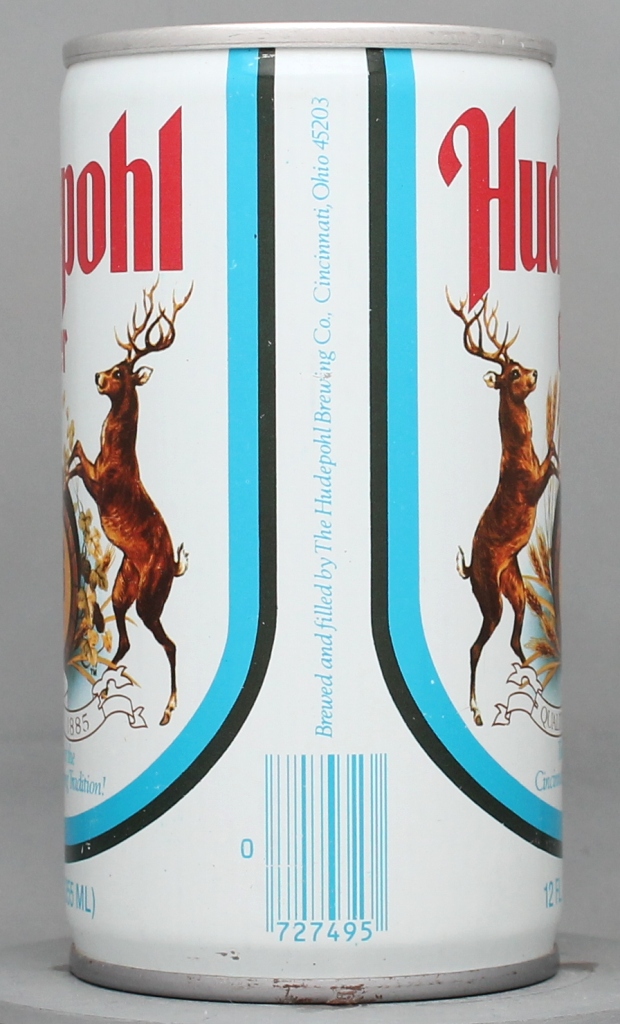
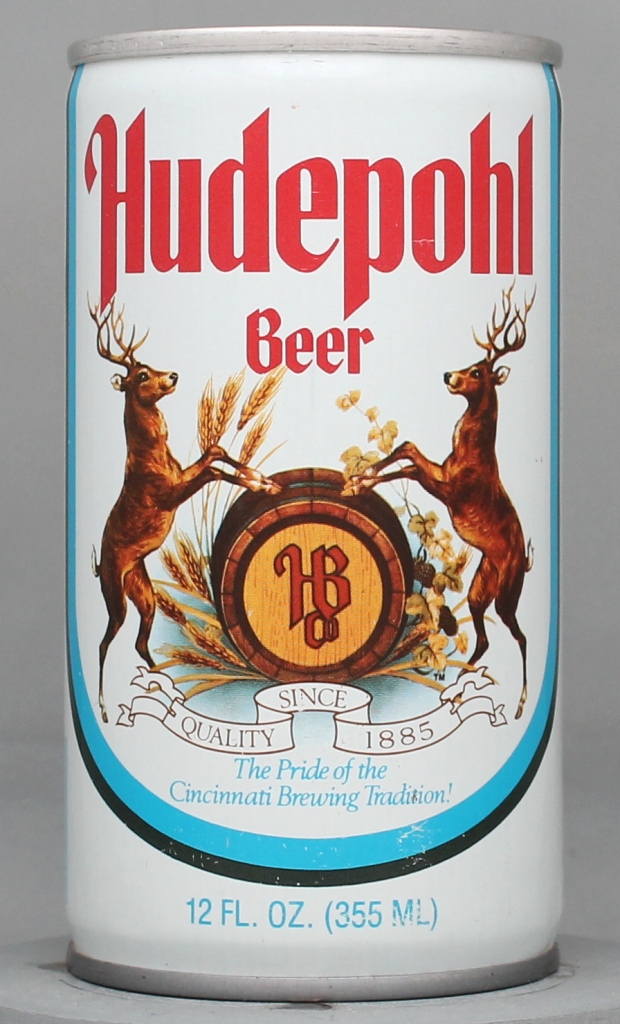
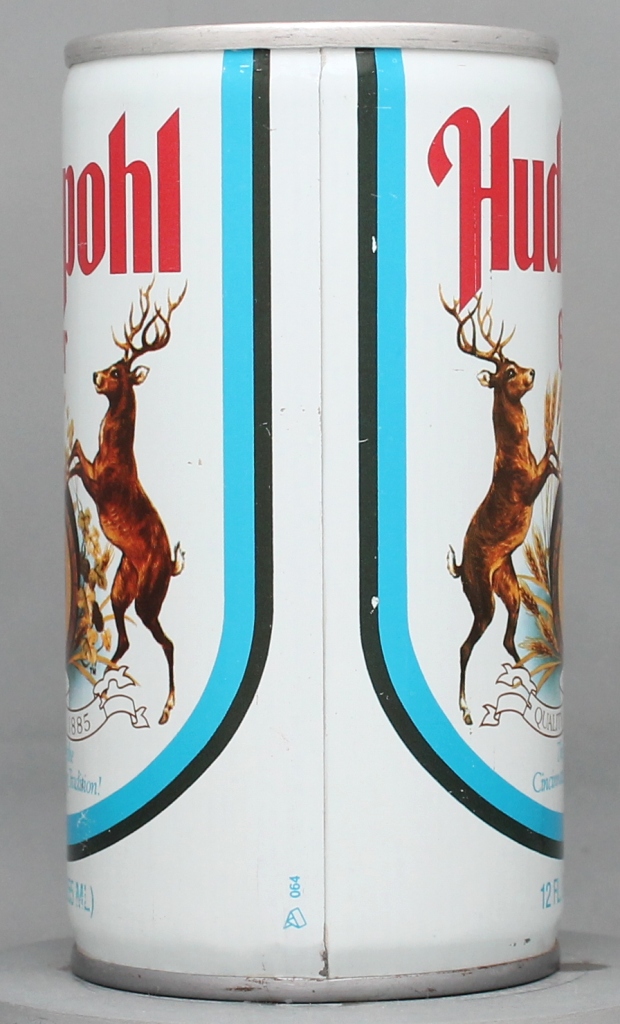
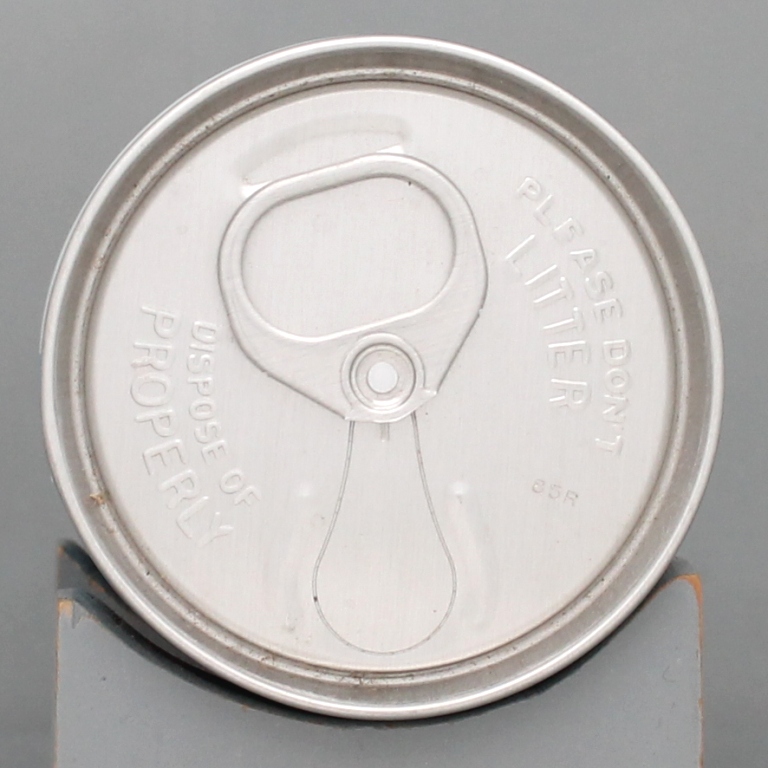
This 12-ounce tab top can represents the late-era packaging of Hudepohl Beer, manufactured in a crimped steel construction. Reflecting the packaging standards adopted in the late 1970s and early 1980s, the can features dual standard and metric volume labeling alongside a Universal Product Code (UPC). The label art prominently displays the brewery's traditional heraldic mark: two rearing stags supporting a wooden beer barrel bearing the interlaced "HBCo" monogram, surrounded by ears of grain, hops, and the banner slogan proclaiming "The Pride of the Cincinnati Brewing Tradition!"
Hudepohl Beer served for generations as the flagship lager of the Queen City, embodying the deep German brewing heritage of southwestern Ohio. Positioned as a crisp, dependable hometown beverage, the brand was a fixture in regional taverns and local sports culture, even serving as the namesake behind the Cincinnati Bengals' famous "Who Dey" rally cry. For decades, the brand held a loyal following across Ohio, Indiana, and Kentucky.
The Hudepohl Brewing Company was established in Cincinnati in 1885 by Ludwig (Louis) Hudepohl II, the son of German immigrants. The company rapidly grew into one of Ohio's largest regional breweries. It survived the dry years of Prohibition by bottling soft drinks and near-beer, reopening immediately upon Repeal in 1933. Expanding into multiple facilities, including its landmark Queensgate complex, Hudepohl reached peak outputs approaching a million barrels annually in the post-war era. However, accelerating industry consolidation and fierce marketing pressure from national brewing giants during the 1970s and 1980s challenged the independent operation. In 1986, Hudepohl merged with local rival Schoenling Brewing Company, ending independent brewing at its historic plant.
For breweriana enthusiasts, this can holds significant appeal as an artifact from the final chapter of Cincinnati's major mid-century independent brewing era. Steel tab top cans from this transitional period document how traditional regional brands modernized their packaging to stay competitive on supermarket shelves while continuing to celebrate the heritage that defined their identity for generations.
* Descriptions are AI-assisted and may include edits from our team. Verify key details.
Can Details
Similar Cans
Price History
Not enough sales data to display a chart.
Sold Listings
No recent sales data available for this can.