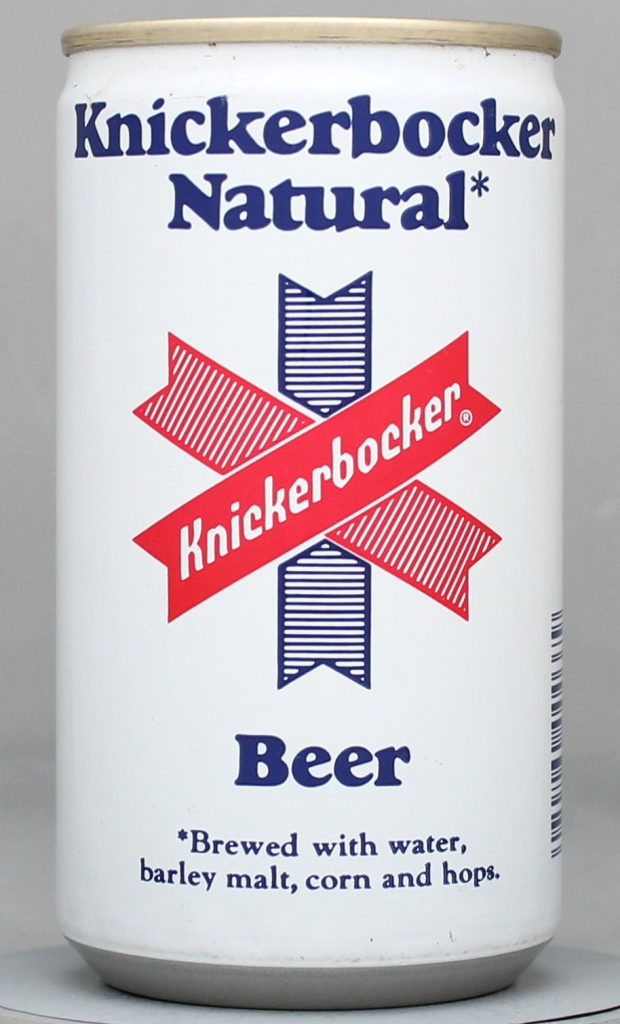
Knickerbocker Natural Beer 12 Oz Tab Top Can
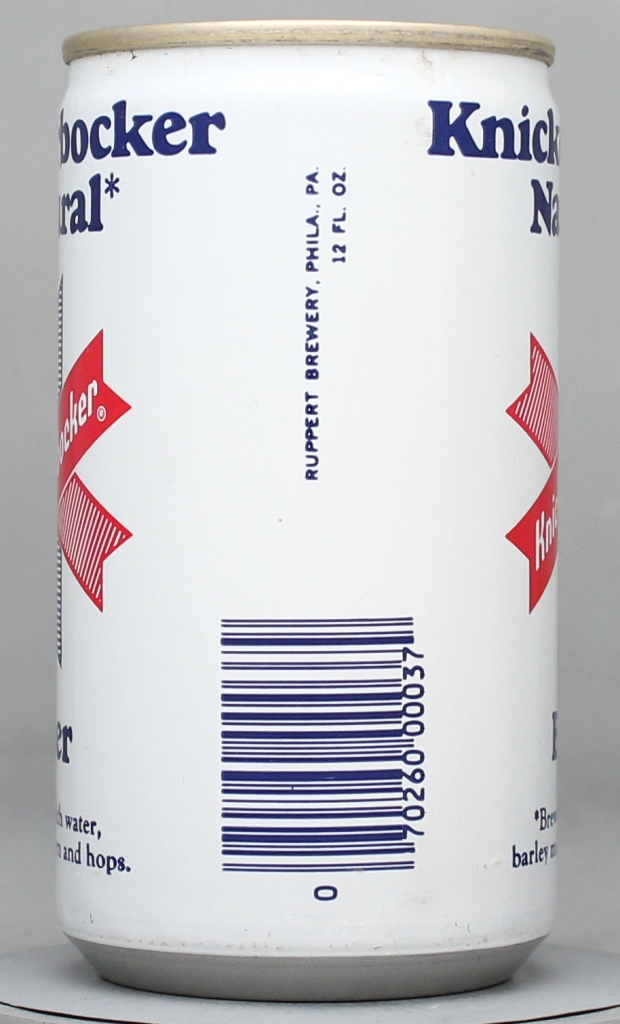
Ruppert • Philadelphia, PA
Knickerbocker Natural 12 Oz Can
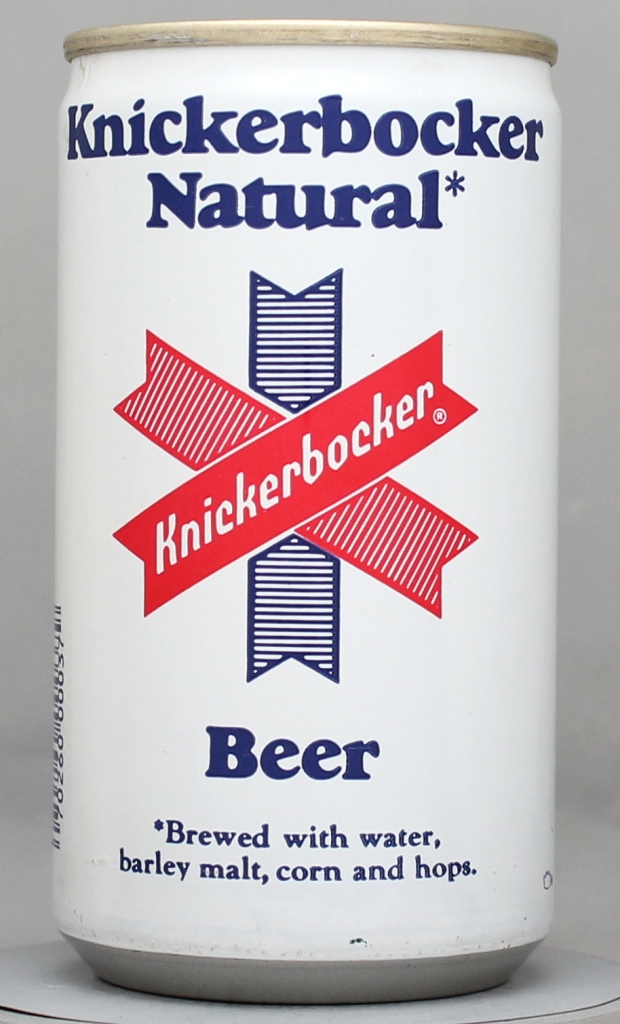
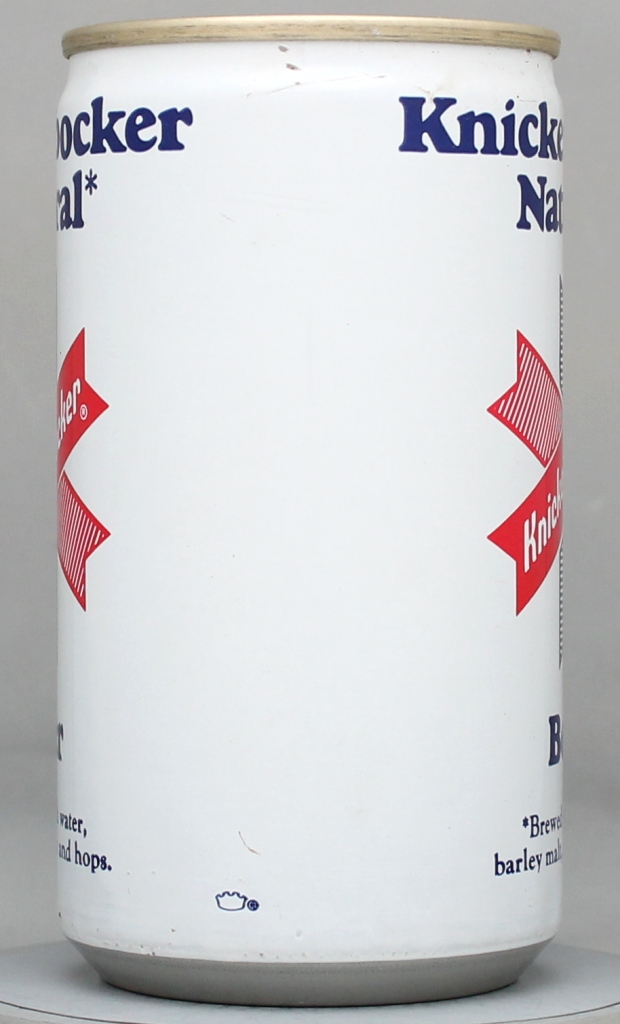
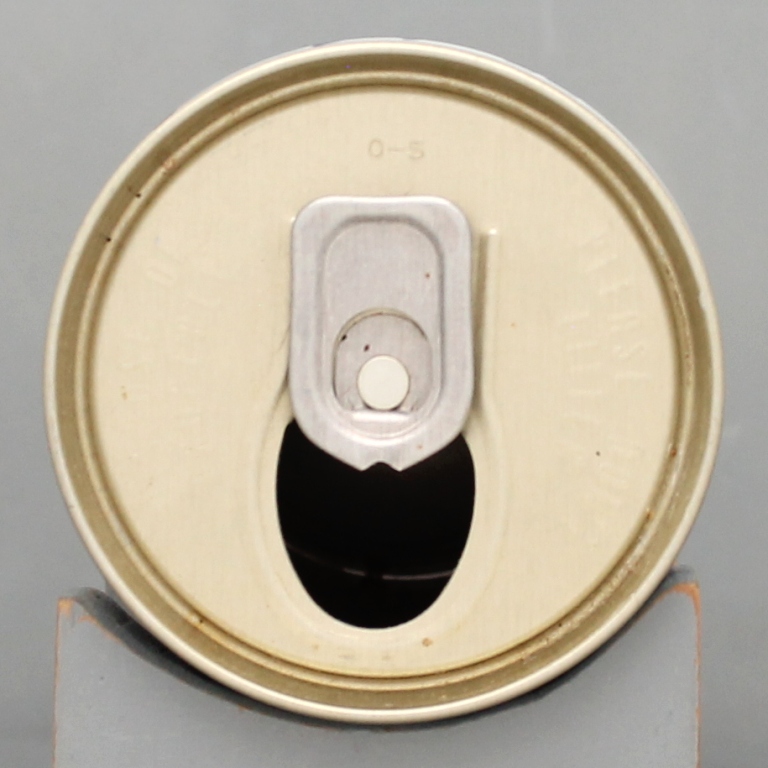
This 12-ounce drawn and ironed aluminum container features a modern stay-on tab top, an integrated Universal Product Code (UPC), and metallic red ribbon graphics outlined in silver trim against an all-white background. An asterisk beneath the primary brand banner directs attention to an explicit ingredient list emphasizing a blend of water, barley malt, corn, and hops. For breweriana catalogers, production examples of this specific issue carry varying manufacturer marks and can-company stampings, documenting its run across different packaging lines during the late 1970s and 1980s.
Knickerbocker originated as the flagship lager of New York’s Jacob Ruppert brewing empire. In the early 1970s, after the brand had passed into the portfolio of Rheingold Breweries, the recipe and marketing strategy shifted to capture growing consumer demand for unadulterated, preservative-free beverages. Relaunched in 1973 as Knickerbocker Natural, the brand was promoted heavily on its additive-free purity. Even after the brand was relocated to Philadelphia facilities and brewed under the Ruppert nameplate, the crisp, minimalist packaging and upfront ingredient declaration remained central to its shelf identity.
Jacob Ruppert founded his brewery in Manhattan in 1867, steadily expanding it into one of the largest brewing powerhouses in the eastern United States. Ruppert’s son, Colonel Jacob Ruppert Jr., achieved national prominence as the owner of the New York Yankees and builder of Yankee Stadium while expanding brewery output. The operation survived Prohibition by selling near-beer and industrial ice, rebounding swiftly after Repeal. Facing intense consolidation and labor disputes in the post-war era, the original New York facility ceased operations in the mid-1960s. The brand assets were eventually acquired by Philadelphia’s Christian Schmidt Brewing Company, which continued to brew and can Knickerbocker Natural while maintaining the historic Ruppert mandatory.
For collectors of East Coast breweriana, this can marks a fascinating intersection in late-twentieth-century brewing history. It encapsulates both the industry-wide move toward stay-tab aluminum packaging and the fierce regional advertising campaigns built around "natural" ingredients before the final wave of regional brewery consolidations.
* Descriptions are AI-assisted and may include edits from our team. Verify key details.
Can Details
Similar Cans
Price History
Not enough sales data to display a chart.
Sold Listings
No recent sales data available for this can.