Red Cap Ale Test Can
Carling • Natick, MA
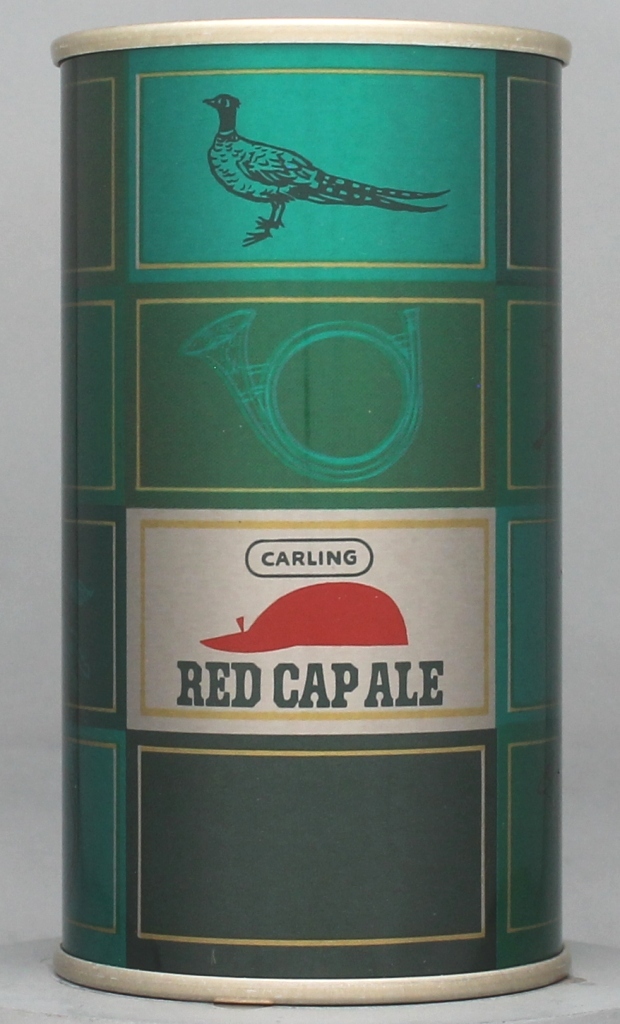
Red Cap Ale Experimental Test Can
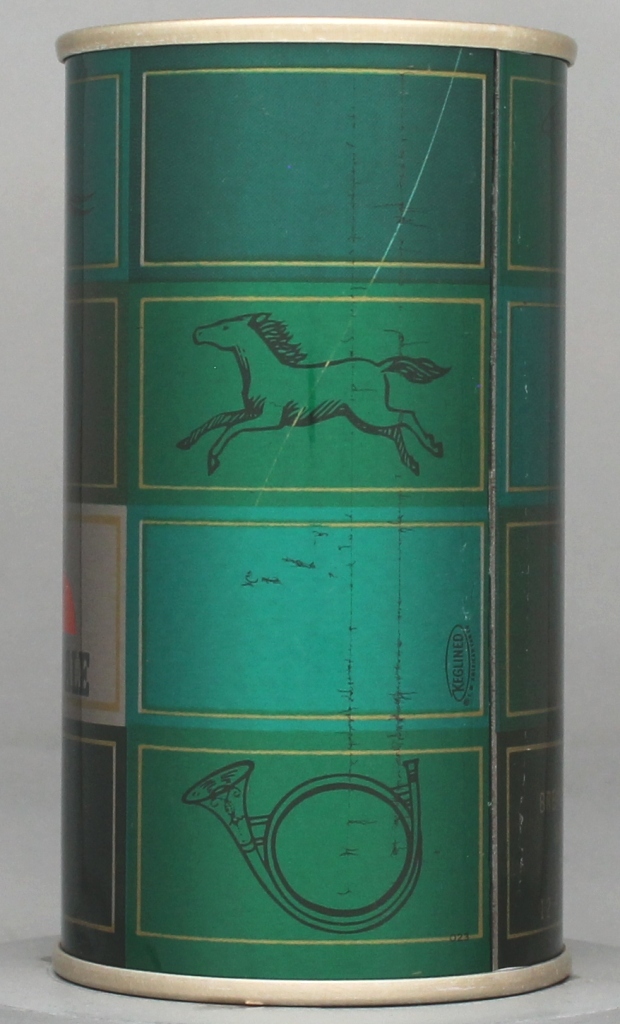
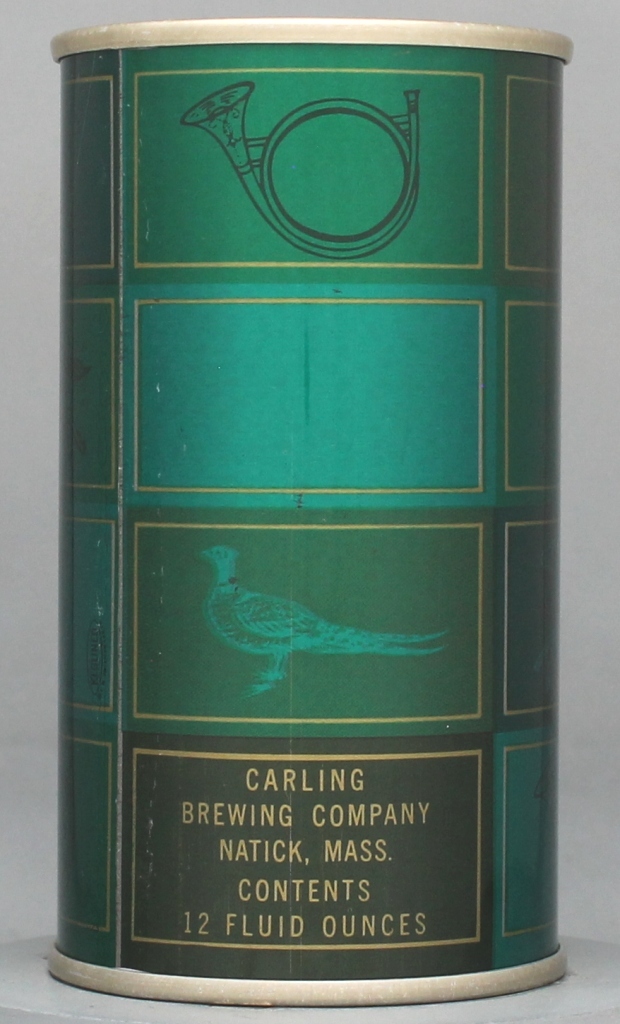
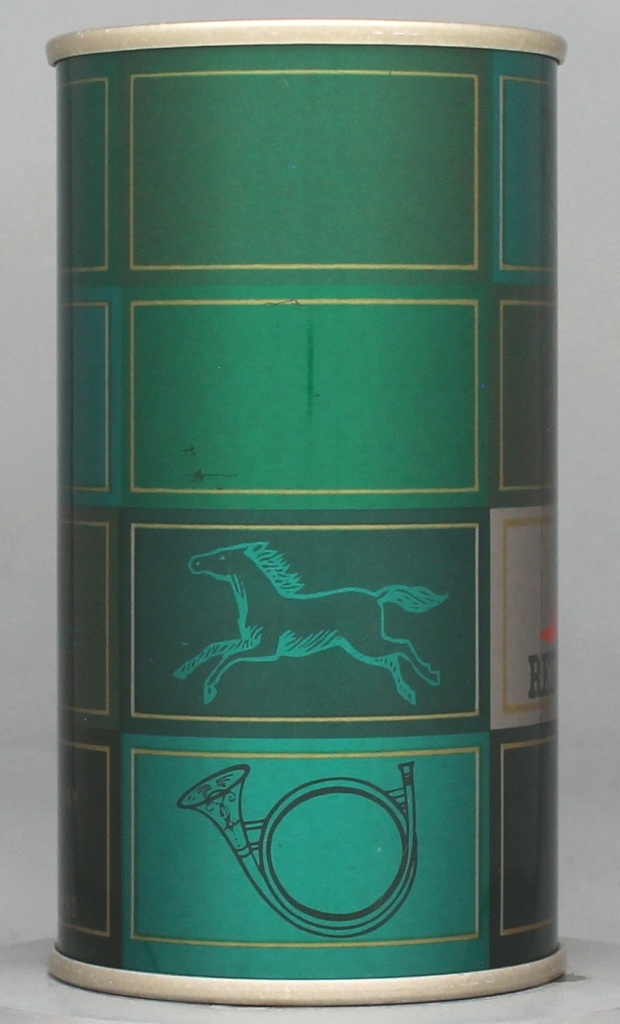
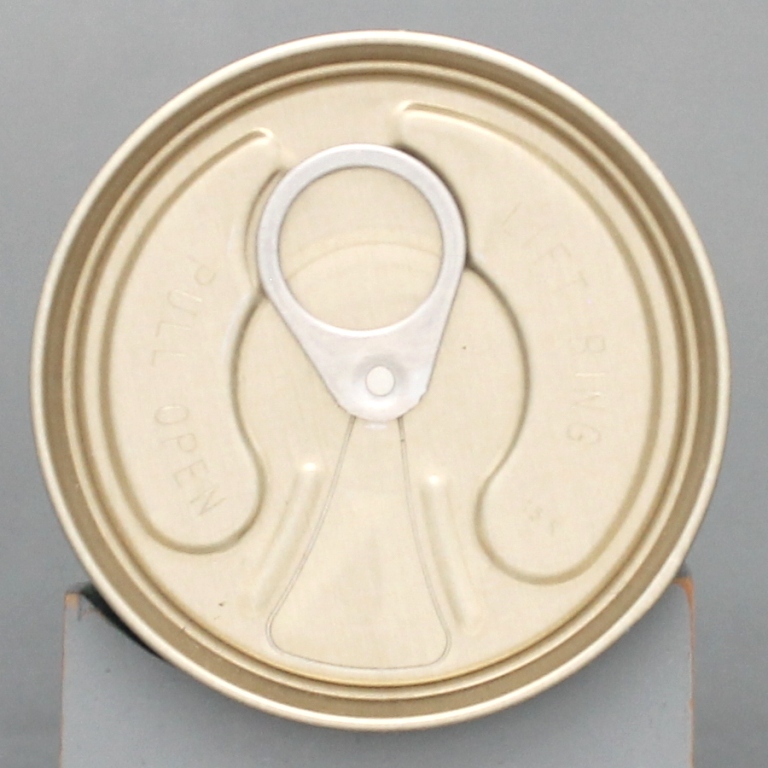
This experimental straight steel tab top container represents a trial design for Carling's Red Cap Ale, originating from the company's facility in Natick, Massachusetts during the pull tab era. Departing entirely from the brand's standard retail packaging, this 12-ounce can displays a paneled grid finished in dark green with fine metallic borders. Distinct decorative tiles depict sporting imagery, prominently featuring an illustrated ring-necked pheasant and a coiled hunting horn set above the primary brand panel. The central cream-colored cartouche presents the Carling oval insignia, the signature scarlet hunting cap, and bold block typography for "RED CAP ALE." Because this design was an exploratory graphic concept that was never approved for general distribution, it captures a rare moment where the brewery explored an upscale, sporting-themed presentation for the label.
Carling originally introduced Red Cap Ale in Canada during the nineteenth century as a hearty, top-fermented ale. After the repeal of Prohibition, the brand expanded into the United States market as a robust, premium alternative to standard American lagers. The company heavily promoted the distinctive red cap emblem across its print and broadcast campaigns, often aligning the beverage with hunting lodges, outdoor leisure, and jovial toasts. While Red Cap enjoyed decades of steady regional popularity throughout the northeastern and midwestern states, consumer tastes gradually shifted toward lighter macro lagers in the latter half of the twentieth century, causing the brand's presence to steadily decline.
The can traces its lineage to the Carling Brewing Company, founded by farmer Thomas Carling in London, Ontario, in 1840. The firm entered the American brewing scene in Cleveland during the 1930s and grew substantially over the subsequent decades under Canadian Breweries Limited. To expand distribution throughout New England, Carling constructed a sprawling, highly automated facility in Natick, which opened in 1956 and was celebrated as one of the most modern breweries of its time. Escalating market competition and industry consolidation ultimately led to the closure of the Natick facility in the mid-1970s.
Within the breweriana community, factory test cans represent an exceptional focus area. Rather than documenting commercial sales runs, prototypes illustrate the artistic development and experimental packaging strategies pursued by mid-century breweries as they adapted to new canning formats.
* Descriptions are AI-assisted and may include edits from our team. Verify key details.
Can Details
Similar Cans
Price History
Not enough sales data to display a chart.
Sold Listings
No recent sales data available for this can.