Schmidt's Of Philadelphia Light Beer 12 Oz Tab Top Can
C. Schmidt & Sons • Philadelphia, PA
Schmidt's of Philadelphia Light Beer
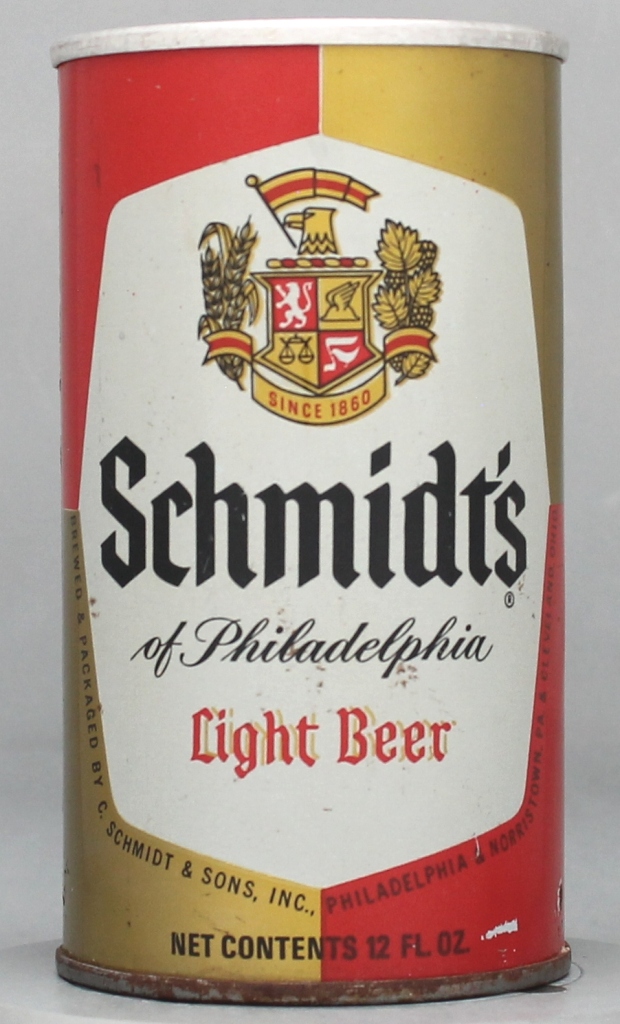
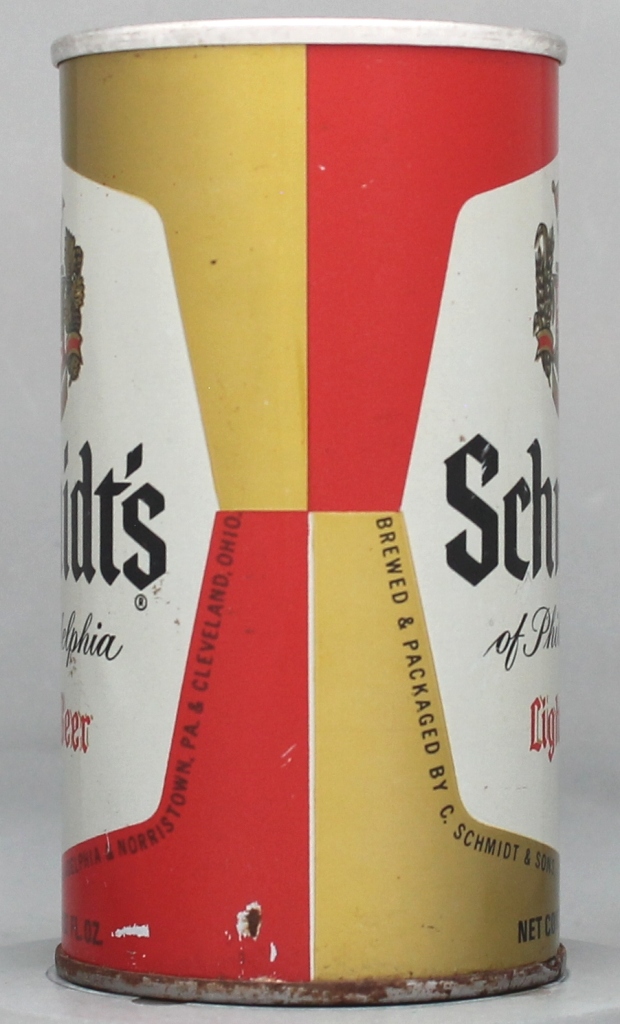
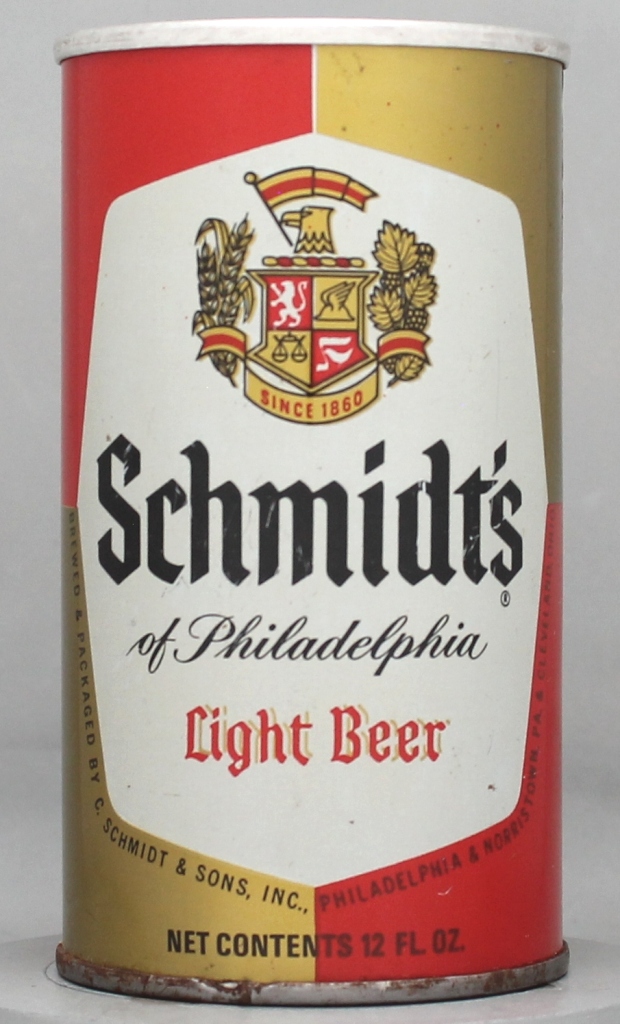
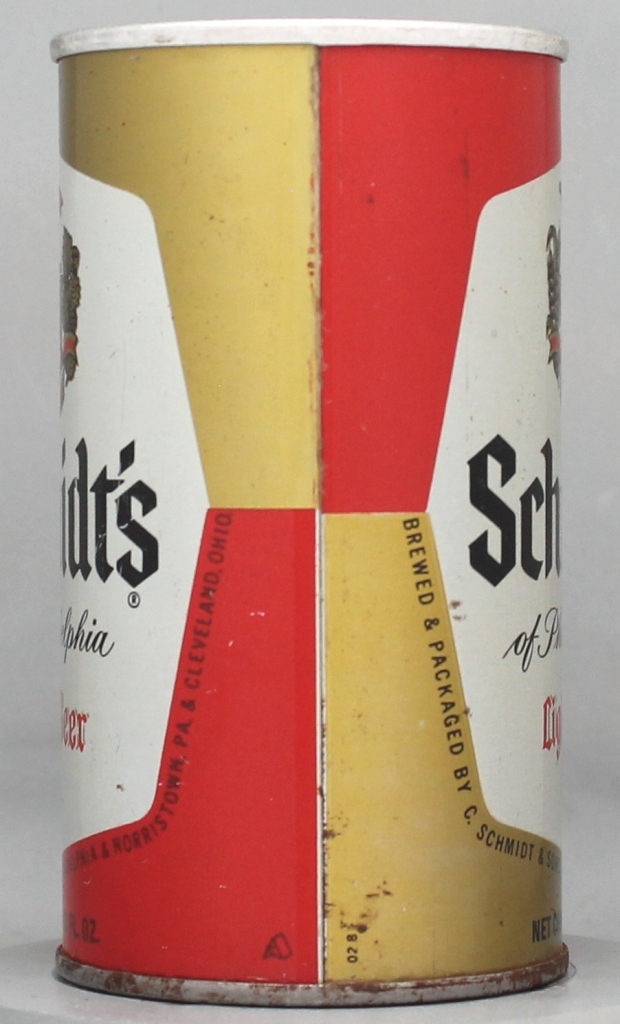
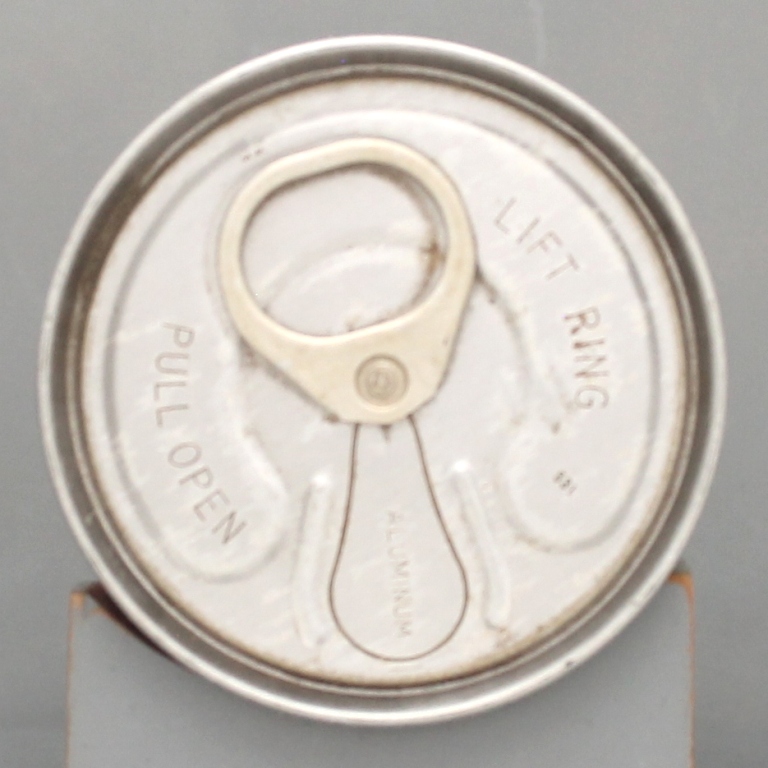
This twelve-ounce tab top can represents the straight-steel packaging era of C. Schmidt & Sons, Inc. Notable for its glued seam construction, the container carries mandatory text designating three production locations: Philadelphia and Norristown, Pennsylvania, along with Cleveland, Ohio. The front panel features the brewery's traditional split red-and-gold background framing the historic company crest, complete with an eagle, hops, and barley above the founding date of 1860. Directly below the emblem, the familiar blackletter brand lettering sits atop the cursive "of Philadelphia" script and the red "Light Beer" descriptor.
Schmidt's flagship offering carried the "Light Beer" wording for generations, where the term originally referred to the pale, golden hue of the German-style lager rather than a low-calorie recipe. Marketed as a dependable, crisp regional staple, Schmidt’s became ingrained in mid-Atlantic working-class culture and tavern life. Advertising campaigns popularized memorable catchphrases and jingles such as "Schmidt's'll ring a bell for ya," securing immense brand loyalty throughout Pennsylvania, New Jersey, and neighboring states. In subsequent decades, the brand modernized its identity, eventually condensing the name simply to Schmidt's.
Christian Schmidt founded the business in 1860 in the Northern Liberties neighborhood of Philadelphia. Over decades of steady family leadership, the brewery grew into a powerhouse of Pennsylvania industry. The company survived Prohibition by marketing cereal beverages and mineral water, quickly rebounding after repeal. Following World War II, Schmidt's expanded production capacity by acquiring regional competitors, including the Adam Scheidt plant in Norristown in 1954 and an additional facility in Cleveland in 1964. Although Schmidt's remained one of the country's largest regional brewers through the 1970s, intense consolidation and pressure from nationwide macrobrewers ultimately forced the historic plant to close in 1987.
To breweriana enthusiasts, cans from this era serve as tangible reminders of mid-Atlantic brewing heritage. The three-city mandatory text captures a significant chapter in the company's multi-state geographic expansion, while the glued-seam steel body represents an important transitional milestone in twentieth-century can manufacturing.
* Descriptions are AI-assisted and may include edits from our team. Verify key details.
Can Details
Similar Cans
Price History
Not enough sales data to display a chart.
Sold Listings
No recent sales data available for this can.